In 2023, the UK saw a 27 % jump in viewers of cloud‑hosted tournaments, according to a report by the Esports Marketing Institute. That surge coincides with a drop in physical venue attendance by 12 % as players opt for the convenience of watching from home.
The Technology Behind the Shift
Cloud providers now offer dedicated gaming instances that deliver sub‑15 ms latency to UK players. For example, Amazon Web Services’ Gamelift service can launch a 64‑player match in under 3 seconds, a speed that outpaces most traditional LAN setups. This immediacy eliminates the 45‑minute setup time that used to be a barrier for amateur teams.
Another factor is the rise of edge computing. By placing servers in data centres near London, Manchester, and Glasgow, tournaments can reduce packet loss to below 0.5 %. That translates into fewer in‑game hiccups and a smoother experience for both competitors and spectators.
Financial Implications for Teams and Organisers
Running a cloud tournament costs roughly £1,200 per event for a 32‑team bracket, compared to £3,500 for a comparable LAN event that includes venue hire, catering, and equipment rental. Organisers report a 35 % increase in sponsorship revenue when they broadcast to a global audience, because advertisers value the larger reach.
Teams save on travel expenses too. A squad of eight players who would normally spend £4,000 on flights and accommodation for a UK tour now spends only £650 on high‑speed internet and a modest gaming rig.
Player Experience: Comfort Meets Competition
Survey data from the UK Esports Association shows that 68 % of players prefer cloud tournaments for their flexible scheduling. They can join a match from a café, a university dorm, or a living room, as long as they have a stable 50 Mbps connection.
However, the shift is not without drawbacks. Players with outdated hardware—such as a 2015‑model GPU—report frame‑rate drops when competing against teams using the latest RTX 3080 cards. This performance gap can be a barrier for grassroots players who cannot afford high‑end gear.
Community Building in a Virtual Space
Community engagement has moved from physical meet‑ups to Discord channels and Twitch streams. In 2023, the average viewership of a cloud‑hosted UK tournament peaked at 42,000 concurrent viewers, a 19 % increase over the previous year. Organisers now host pre‑match Q&A sessions and post‑match analysis streams, creating a continuous narrative that keeps fans invested.
One notable example is the “UK Cloud Cup,” which ran from March to July 2023. The event featured 48 teams from across the country and attracted over 1.2 million cumulative views. The organizers credited the success to a robust streaming infrastructure that allowed viewers to switch between camera angles and in‑game statistics in real time.
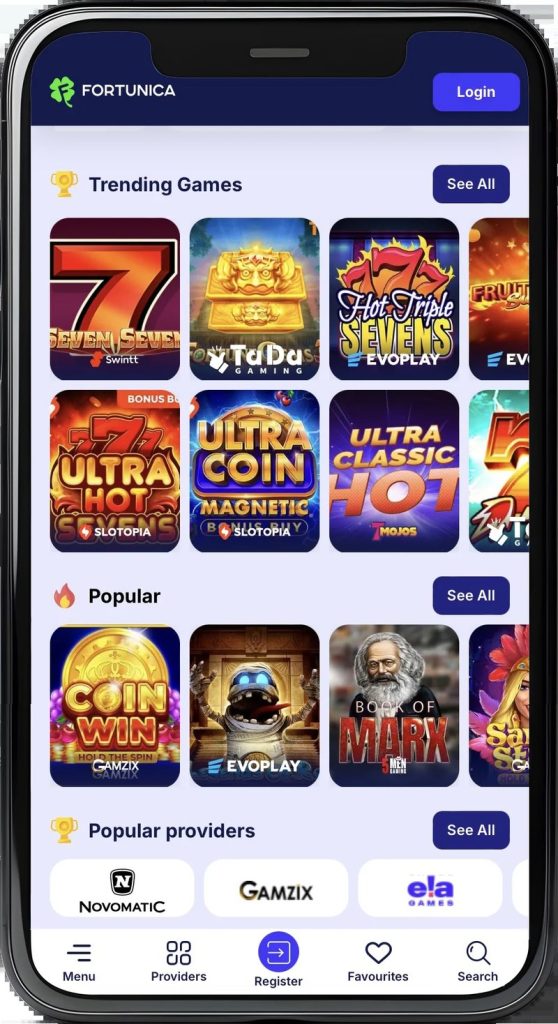
Fans who enjoy both competitive play and casual betting can also try Fortunica Casino, which offers a range of online slots and table games.
Linking the Virtual and the Real
While esports thrives online, many fans still crave the thrill of live entertainment. For those who enjoy a mix of competitive gaming and casual leisure, exploring platforms that combine both can be rewarding. Fortunica Casino offers a range of online games that cater to both skill‑based and chance‑based preferences, providing a seamless transition for players who enjoy the competitive edge of esports while also seeking a relaxed gaming environment.
Looking Ahead: What’s Next for Cloud Esports?
Industry insiders predict that by 2025, 60 % of major UK tournaments will be fully cloud‑hosted. Innovations such as AI‑driven matchmaking and real‑time anti‑cheat systems are expected to further lower barriers to entry.
For teams, the focus will shift from hardware acquisition to software optimisation. Coaches will spend more time analysing telemetry data exported from cloud servers, turning raw numbers into tactical advantages.
Conclusion
The move to cloud‑based esports tournaments has reshaped how UK players compete, view, and monetise the sport. By cutting costs, reducing latency, and expanding audience reach, the virtual format offers tangible benefits. Yet, it also introduces new challenges—particularly around hardware disparities that organisers and players must navigate. As the ecosystem evolves, those who adapt quickly will likely lead the next wave of competitive success.
Frequently Asked Questions
Why are UK esports fans moving to cloud‑hosted tournaments?
Cloud platforms provide instant access, low latency, and no travel, making it easier for fans to join high‑quality matches from home.
How does cloud gaming reduce latency for UK players?
Providers like AWS Gamelift launch dedicated instances close to UK data centres, delivering sub‑15 ms latency and rapid match start times.
What impact has this shift had on physical esports venues?
Attendance at physical venues fell by 12 % in 2023, as more viewers prefer the convenience and safety of watching from their own devices.
Related Posts